Scooter Ramps – Safety Tips
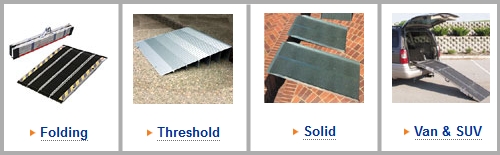
Mobility scooter ramps enable scooter users to traverse steps and curbs, get over transitions of height, and get in and out of vehicles. According to the American Disabilities Act (ADA), standard mobility ramps should have a grade no steeper than 1:12, which means that for every inch of vertical rise, there should be 12 inches of ramp length. This equates to a 4.8 degree incline
Although standard ramps feature a gradual incline that most people can climb safely and unassisted, some scooter users may find that a home or portable ramp with up to a 9.5 degree incline is acceptable, if there is no requirement to meet ADA standards.
To determine how steep of a ramp you can handle, practice climbing ramps located in public places and those offered by mobility retailers in your area.
Make sure to have an able-bodied companion with you when you practice negotiating scooter ramps, especially if you are planning to climb a ramp for the first time.
Practice on ramps of increasing steepness until you determine which slope steepness causes the front of your scooter to lift off of the ground. Take note of the steepness, and in the future, make sure to only negotiate slopes of that steepness with assistance.
How to Ascend a Ramp
Lean forward in the direction of the slope when you go uphill on a ramp. If your scooter has anti-tippers, place them in working position before negotiating a slope to prevent your scooter from tipping backward.
Also make sure to remove gear from the back of your scooter, such as backpack, which can cause your scooter to tip back more easily on a steep slope.
How to Descend a Ramp
Shift your weight back when you descend a ramp to avoid toppling forward out of your scooter. Proceed slowly as you descend. An assistant can help you by remaining in the front and to the side of your scooter and helping to prevent you from falling forward out of the scooter.
For more information on types of mobility ramps, click here.
Modular Ramps
Mobility Ramp Specifications
Types of Wheelchair and Scootery Ramps
Return to Mobility Advisor HOME from Scooter Ramps


Popular ArticlesTypes of Mobility Chairs Wheelchair Sports Activities Helpful Resource Organizations Mobility Scooter Buying Tips Portable Ramp Options |